Demand response, or DR, lets electricity users help balance supply and demand by temporarily using less electricity or moving a task to another time. The adjustment responds to electricity supply conditions or a request from a programme they have joined. The U.S. Federal Energy Regulatory Commission (FERC) defines demand response as changes from normal electricity use in response to electricity prices or incentives to reduce consumption.
Why does timing matter?
When many homes and businesses use electricity at once, the power system has to supply and deliver enough for that moment. Adjusting some of that use during a busy period can ease pressure on the grid.
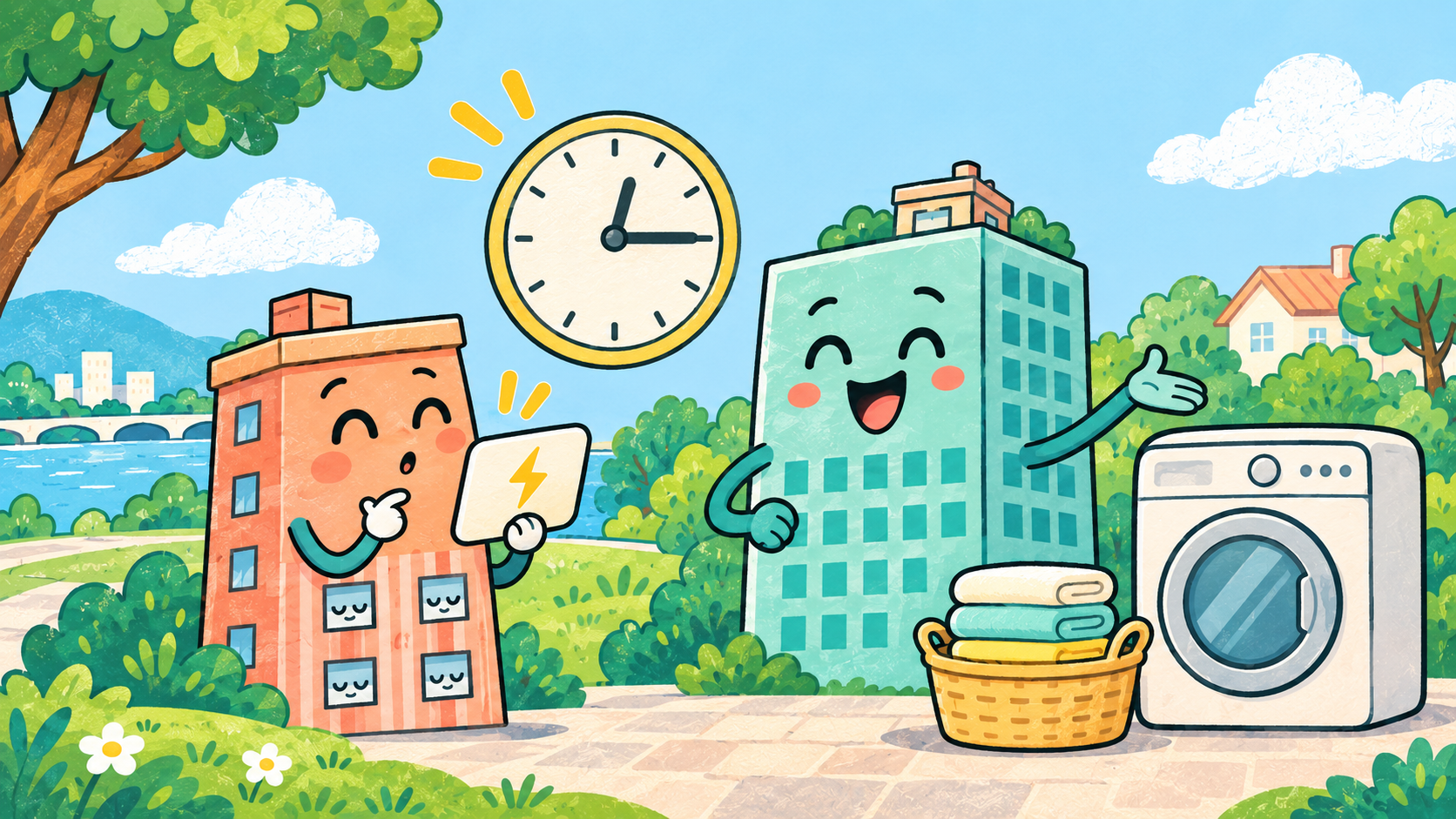
Imagine a household enrolled in a DR programme receiving a request just before starting the washing machine. If the laundry can wait, the household could start it outside the requested period. This is an example of rescheduling a flexible task; it is not advice to switch off equipment midway through a cycle. Participants should follow their programme’s instructions.
Can it help if the daily total stays the same?
Doing the same load of laundry later may use roughly the same amount of electricity over the day. But the washing machine would no longer add to demand during the busy period. The U.S. Department of Energy distinguishes between temporarily reducing electricity use and shifting it to another time.
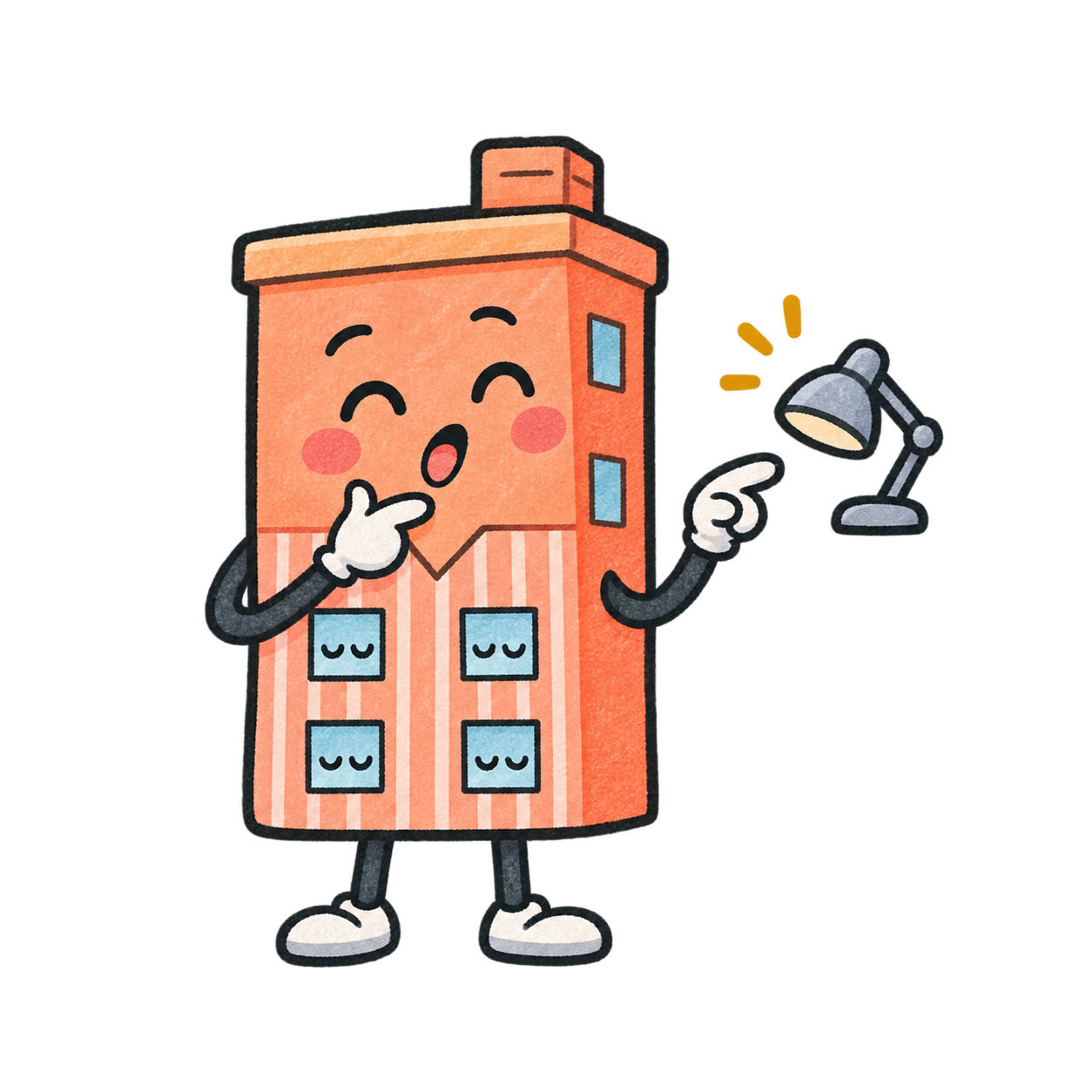
Reduce the amount
Switch off an unnecessary light to use less electricity.
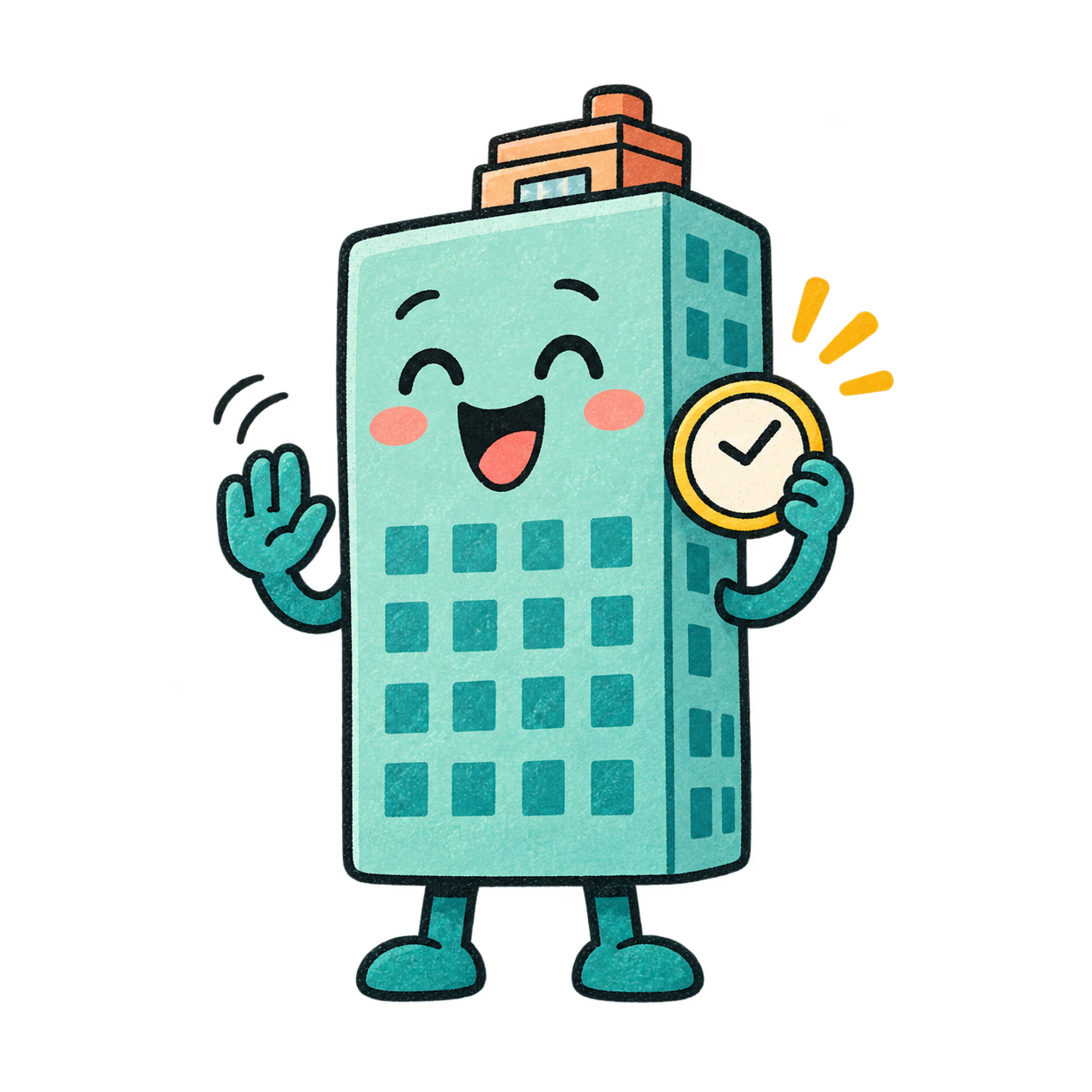
Move the timing
Start a necessary load of laundry at another time.
Switching off an unnecessary light reduces total consumption. Moving a necessary load of laundry changes its timing. To understand DR, it helps to consider both how much electricity is used and when it is used.
A change in timing does not automatically mean a lower bill. The result depends on the applicable tariff, including whether prices vary by time. Discounts or rewards described in U.S. guidance should not be assumed to apply in Korea.
Does taking part mean receiving a reward?
Saving electricity does not automatically qualify someone for a payment. In Korea, DR participation involves processes such as recruitment and registration, communicating requests, checking usage records and determining compensation. The Korea Smart Grid Association’s overview explains this process. Eligibility, recognised reductions and reward conditions need to be checked with the relevant programme.
At home, start by noticing which appliances need to run immediately and which tasks could begin a little later. Keep equipment needed for health and safety running, and look for electricity use that can comfortably wait.
Related reading: What does kWh mean on your electricity bill?
GROO DR is GROON’s software for managing participants, resources, meter data, dispatch and settlement. GROON provides the software; it is not a DR aggregator.
For questions about adopting the operations software, use the ‘Chat with us’ button at the bottom right of the live site.