
A figure of 200 kWh on an electricity bill means that amount of electricity was used during the billing period. The unit is read as “kilowatt-hours”. It does not mean the electricity was on for 200 hours.
Power describes the rate; energy records how much was used
Appliance ratings often use watts (W) or kilowatts (kW). These are units of power: how quickly a device uses electricity at a particular moment. One kilowatt equals 1,000 watts. Keeping that rate separate from the amount used over time makes a bill easier to read.
A device drawing a steady 1 kW for one hour uses 1 kWh. When the power stays constant, multiply kilowatts by hours to calculate kilowatt-hours. The U.S. Energy Information Administration explains the same distinction between power and electricity used over time.
A 100 W light running for ten hours
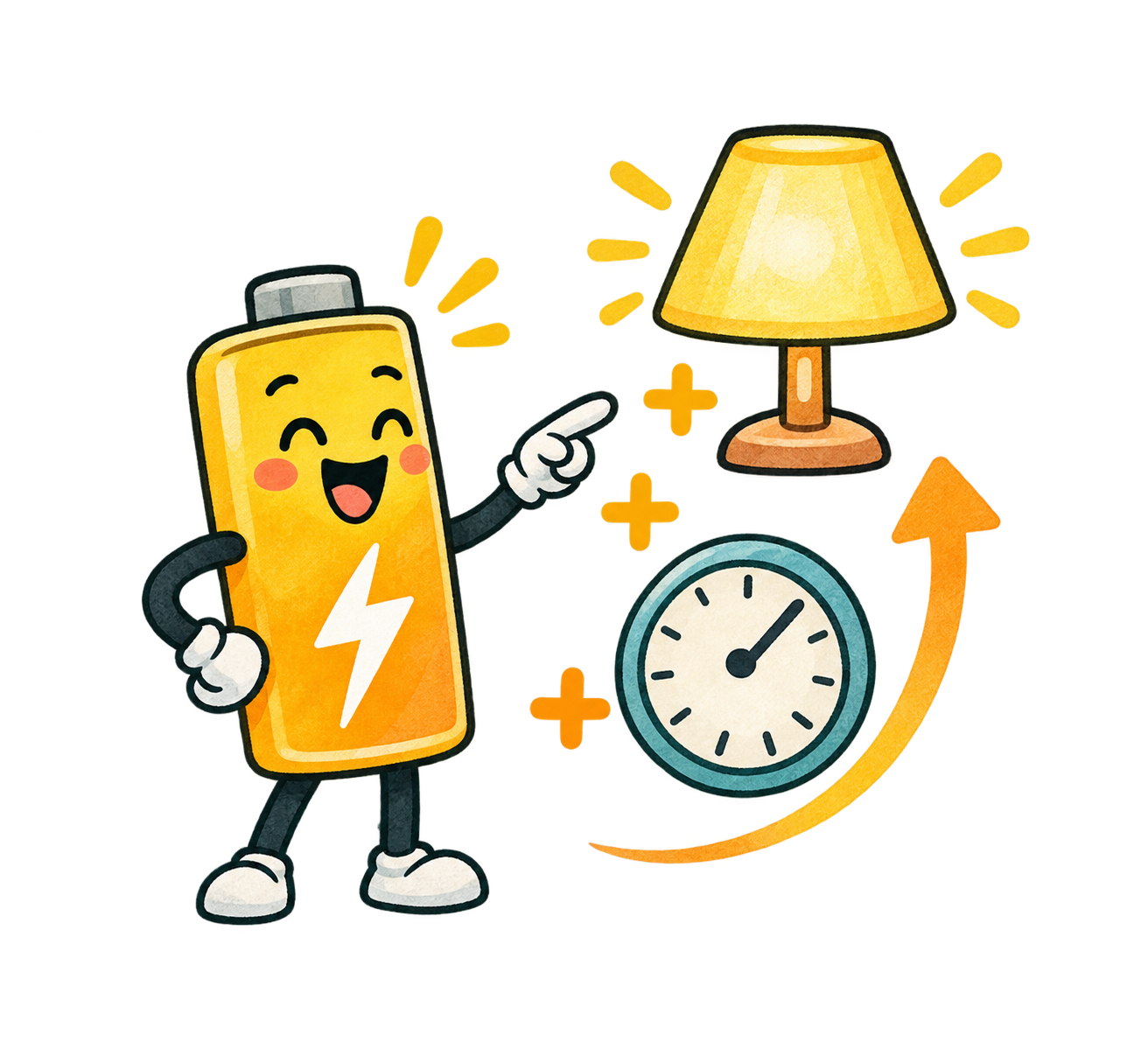
Consider a light that draws a constant 100 W, or 0.1 kW. It uses 0.1 kWh in one hour and 1 kWh in ten hours. Leaving the same light on for longer increases the amount of electricity it uses.
That calculation assumes the light draws 100 W throughout. A real device’s consumption can vary with its settings or operating state, so a measurement may give a different result.
Consumption and charges need separate checks
A kWh figure alone cannot tell you the amount due. In South Korea, residential electricity bills include a basic charge and adjustment items as well as charges based on consumption. The applicable contract and tariff determine the calculation. The Korean government’s Easy Law service explains the main components and contract conditions.
If the amount due rises, check whether consumption rose too. Looking at consumption separately from the billing conditions helps distinguish increased use from the effect of other charge items.
Check the start and end dates before comparing two billing periods. Different period lengths can make it harder to tell whether your electricity-use habits changed. Establish which period each consumption figure covers, then examine the amount due using the tariff conditions on that bill.
For energy policy and market coverage, see GROON News.
For enquiries about adopting operations software, use the Chat with us button at the bottom right.