See your network clearly
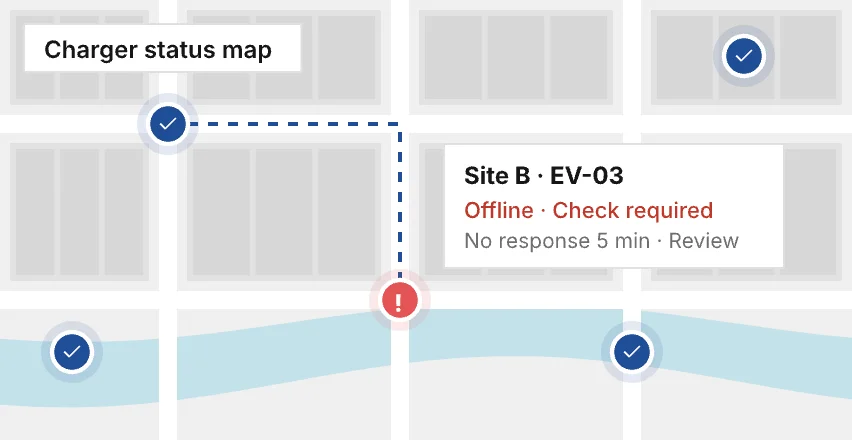
Bring station, charger and session information together to understand what needs attention.

GROO EV is a charging station management system (CSMS) for charge point operators and site teams. Monitor charger status, prioritize recurring faults, and use session records to manage billing and settlement.

OCPP 1.6J · 2.0.1Charger communications

OCPI 2.2.1Roaming hub integration
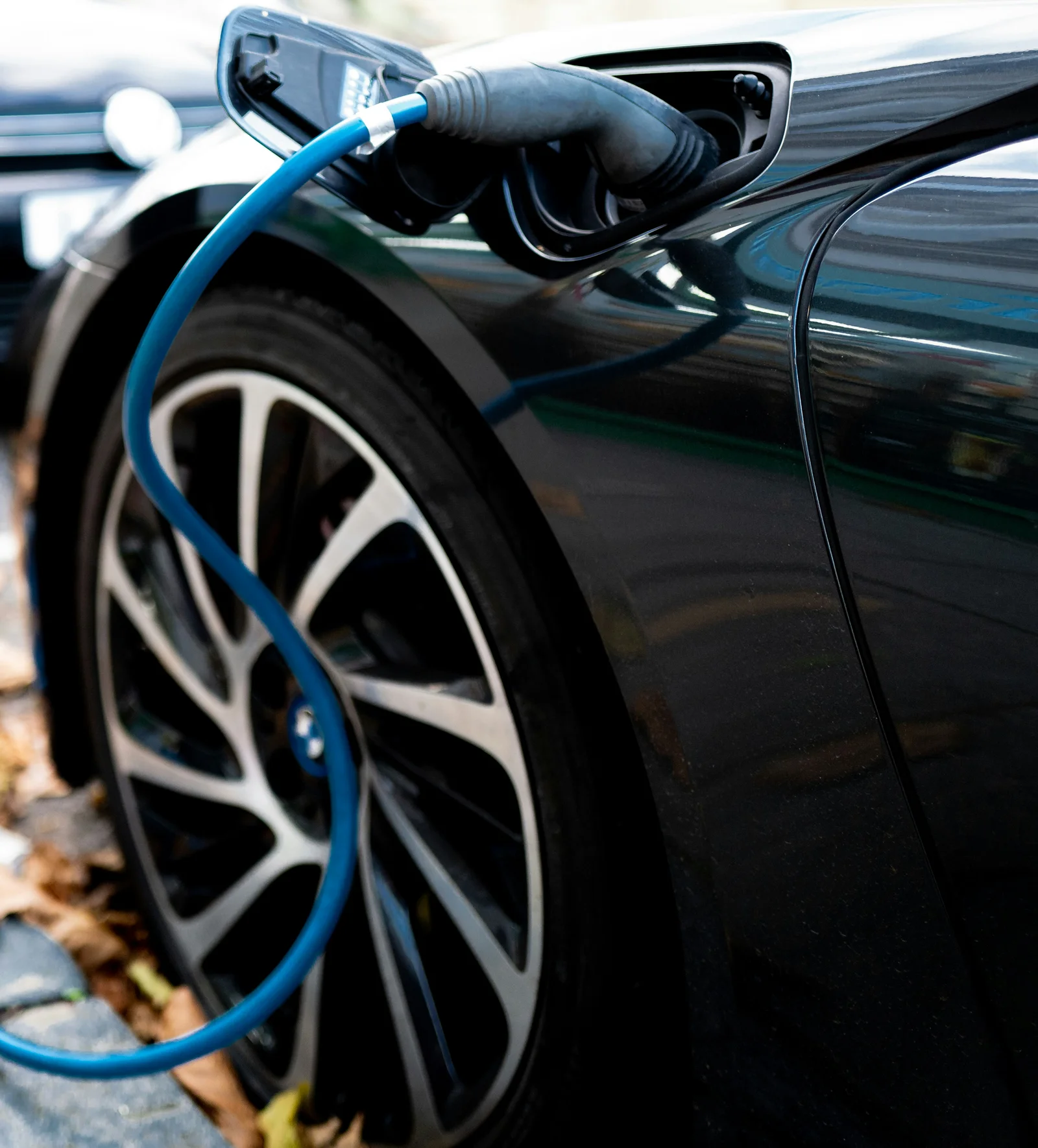
Every station brings daily operational decisions. GROO EV connects the information your team needs to monitor chargers, respond to incidents and track charging activity.
Bring station, charger and session information together to understand what needs attention.
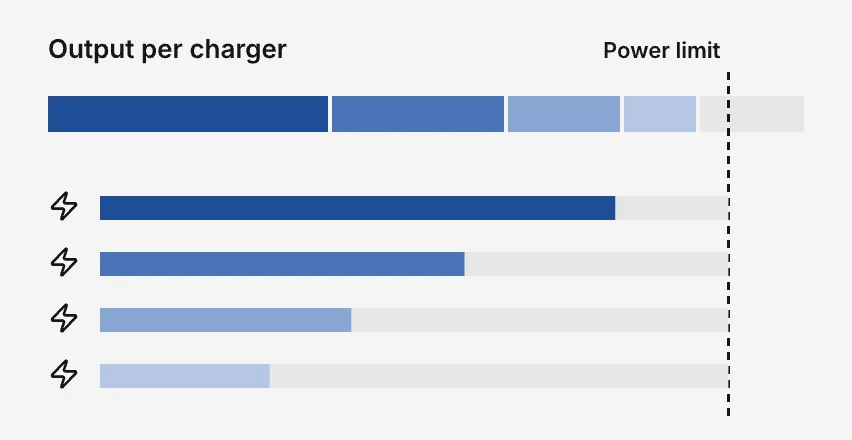
Allocate charging power to available capacity and respond to peak demand conditions.
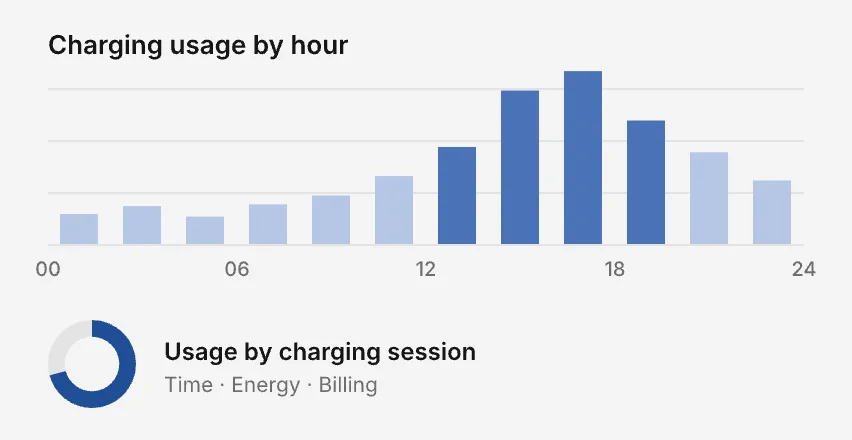
Link charging records, tariffs and billing information for reconciliation and operational reporting.
Resolve charging issues, manage power and connect workflows to each site's needs.
Analyze charger status and communication logs to identify likely causes and guide the next action.
Monitor charging while dynamic power allocation and Peak Guard adjust output within site power limits.
Configure monitoring, tariffs and power management for CPOs, businesses, fleets and public institutions.
AI analyzes charging status and communication logs to guide drivers and operators through the next steps.
Vehicle-side causes are presented as possibilities inferred from failure patterns, not confirmed diagnoses.
Read the driver guide: when a charging plug will not come out

One charger had 12 connection attempts rejected. In this demo, an operator reviews the connection history in GROO EV and identifies authentication settings as the first thing to check remotely.
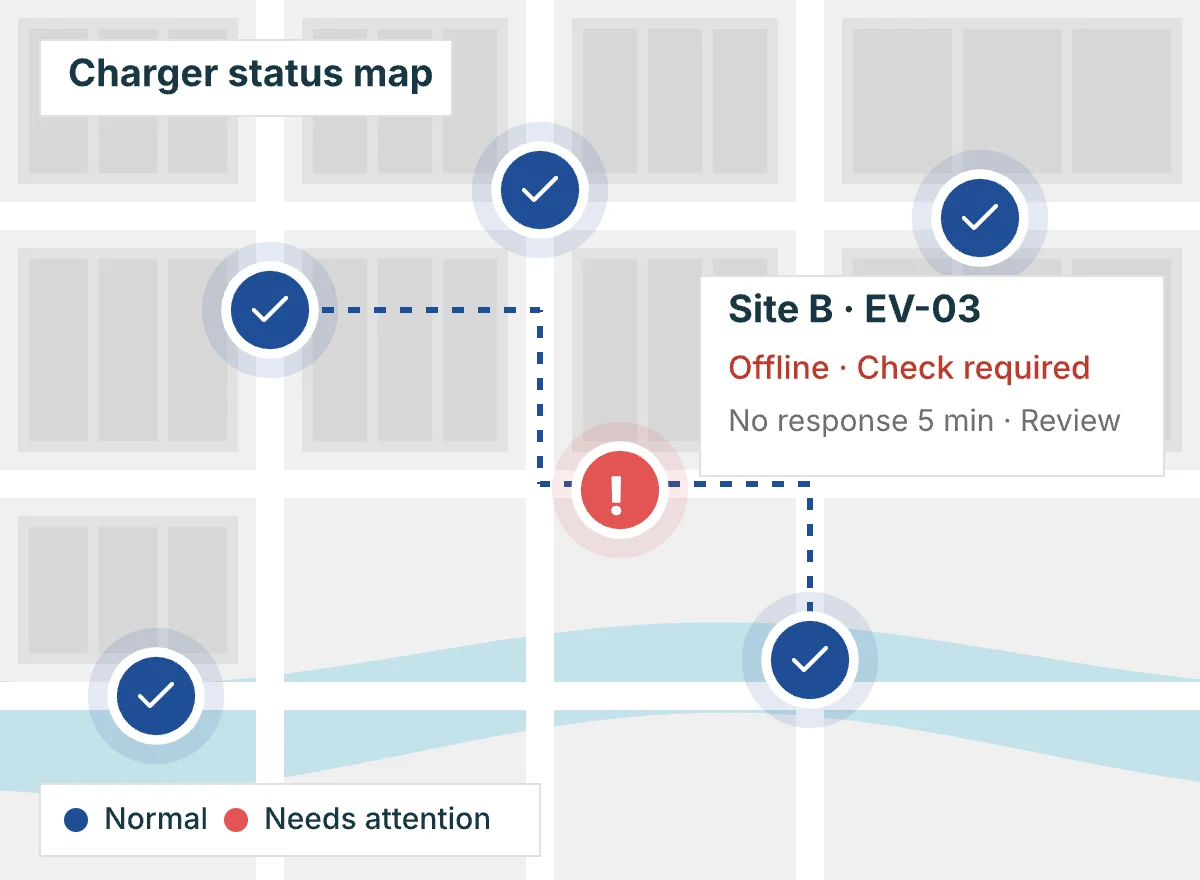
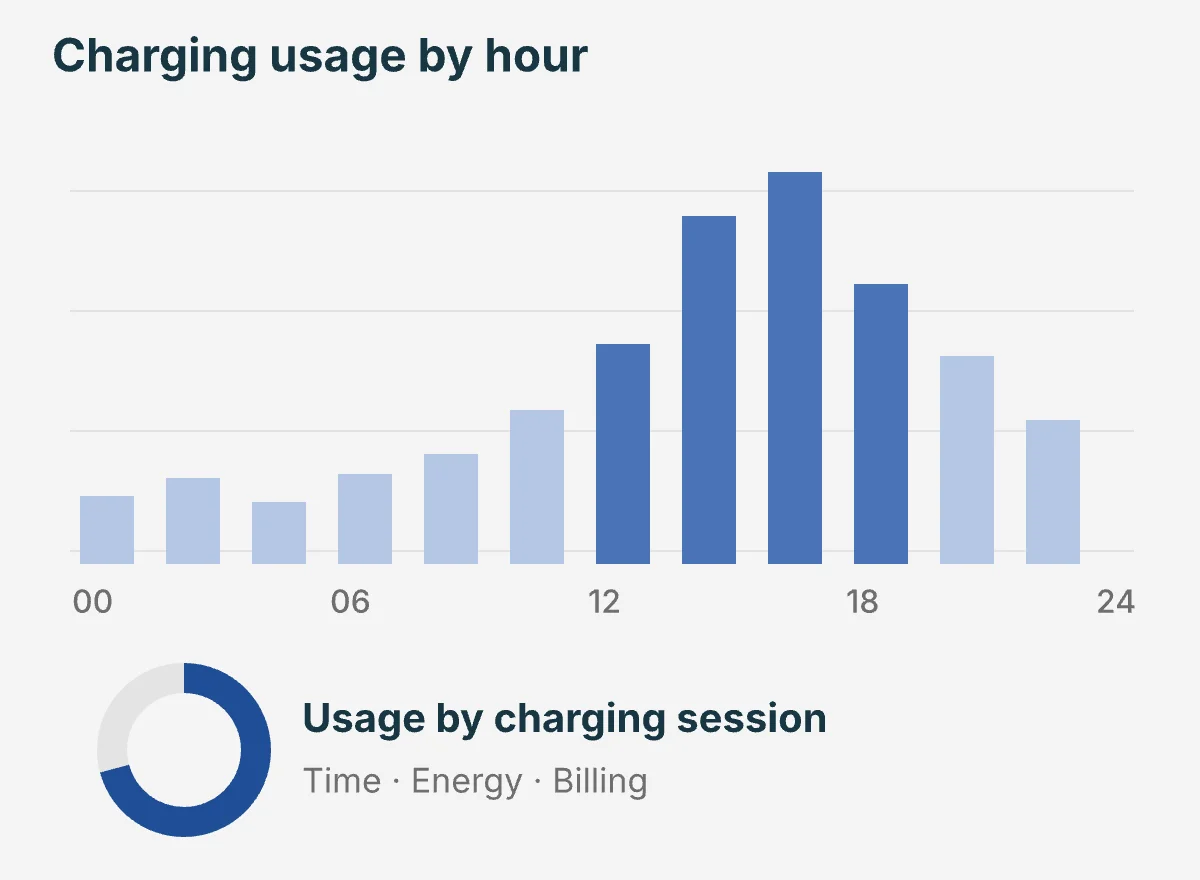
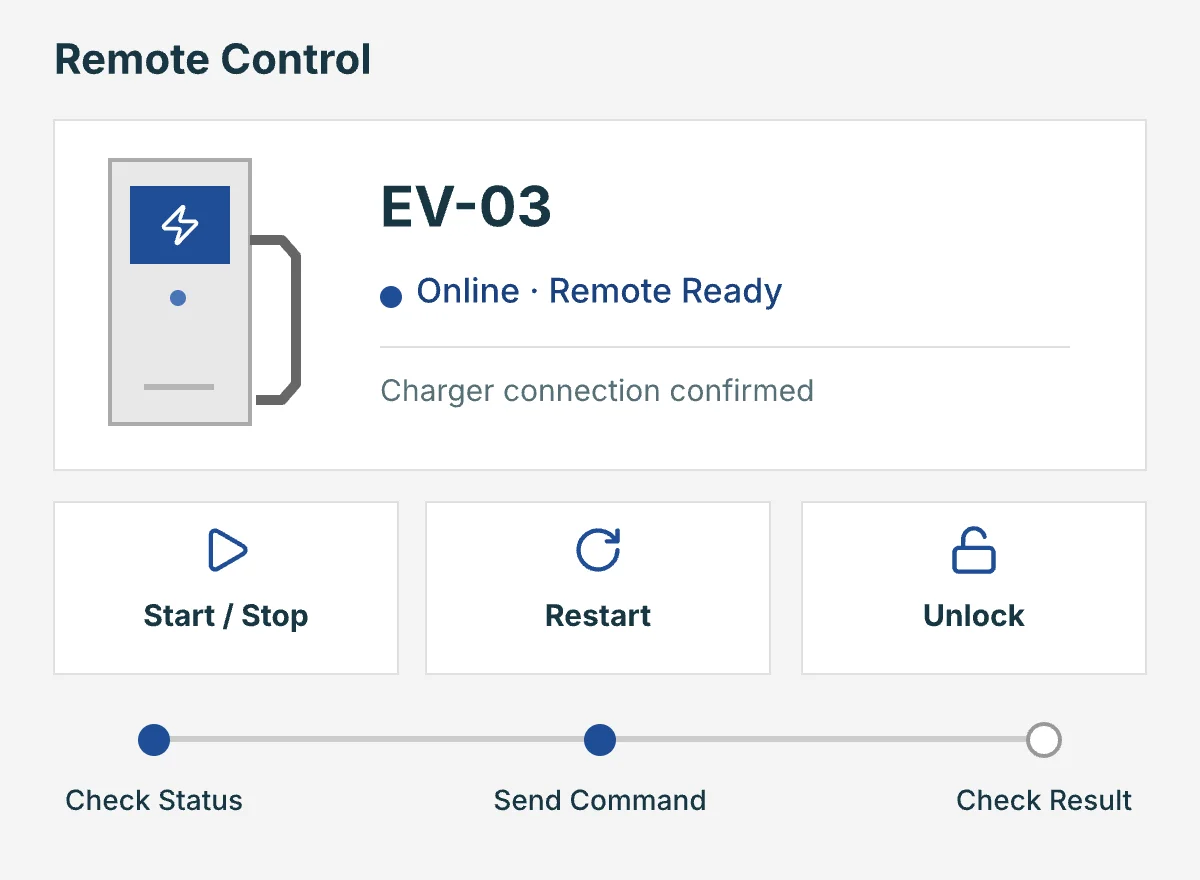
Incident response
GROO EV groups repeated faults of the same type and shows how often they occur and what might be causing them. Your team can see which chargers to investigate first.
Charger EV-03
ExampleRemote operations
Send commands such as a restart to supported chargers and check their status. Use the device response to decide whether to continue remotely or arrange an on-site check.
Billing and settlement
GROO EV calculates charges from meter readings and the applicable tariff. When data needed for settlement is missing, the system records why the session is on hold so the team can follow up.
Manage charging demand alongside charger status. Configure controls around the power limits and operating requirements of each site.
Distribute charging time and power around fleet schedules and forecast demand to reduce peaks.
Allocate charging power within site limits.
Adjust output across simultaneous charging sessions to help keep charging demand within the configured power limit.
Respond when power demand rises.
Monitor contracted capacity and power usage, then reduce charging power according to configured peak demand conditions.
Plan charging around vehicle operations.
Manage the charging sequence around vehicle operating schedules.
Conceptual diagrams explaining operation, not actual operating data.
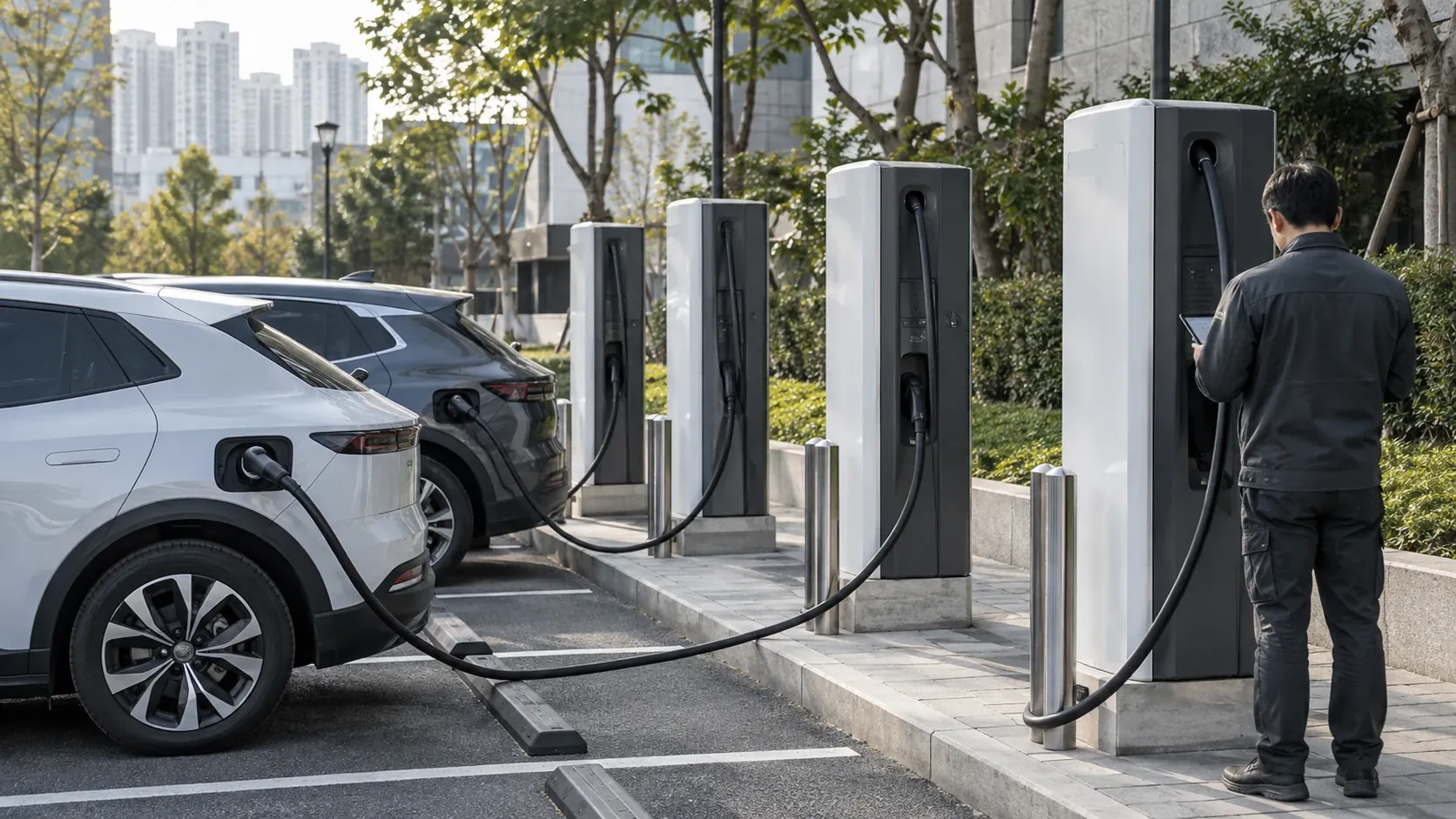
As the network grows, reviewing connectivity, charging activity and maintenance priorities takes more time.
Understanding a charging interruption means reviewing status records, communication logs and usage history together.
Different site and driver tariffs need to stay consistent with charging records, calculated charges and settlement data.
Review charger connectivity and active sessions across sites in one place. Manage access permissions for each operator's role.
Analyse status and communication records to understand incidents and guide drivers. Review remote commands and their history to follow through on the response.
Configure tariffs by time, charging speed class and driver type. Connect session charges to settlement records, and use charging activity and revenue in operational reports.
Allocate output to site limits and simultaneous charging demand, and respond to peak conditions. Charger control support and metering configuration are checked during deployment.
Can you keep your existing chargers when you switch management systems? Start with the models and firmware you run today, then verify a small group before moving the network.
Record the manufacturer, model, firmware and Open Charge Point Protocol (OCPP) version for each group of chargers.
Confirm who can update the charger’s server address and security settings. Check how drivers will authenticate after the switch.
Check what you can export from your current system and which charging sessions, meter readings and tariff records you need to import or archive.
Verify that pilot chargers reconnect, report status and meter readings, and start and stop a session. Check how the chargers respond to the remote commands you use.
Set the order for switching sites and who will handle issues. Agree when to pause the rollout and how to restore the previous connection.
Agree on who handles fault reports, when an on-site visit is needed, and how results reach the facility team. Responsibilities depend on the operating agreement.
Keep the charger location, identifier and operator contact details available. Establish how reports reach the facility team.
Record when the problem occurred and retain charger status and error logs. Track whether remote action resolved it or an on-site inspection is needed.
Check the total power available to the chargers and how it is shared during simultaneous sessions. Actual output depends on the electrical installation, vehicles and charger settings.
Agree on the scope of support for the installed equipment. Parking access and facility opening hours also need their own operating arrangements.
Read how shared chargers allocate powerCore capabilities cover station and charger monitoring, remote operations, tariffs, billing and settlement records, analytics and power management. Deployment scope is agreed around your network size and charger configuration.
Integration is based on implemented OCPP 1.6J and 2.0.1 communication. Support for specific messages and controls depends on the charger and firmware. Protocol implementation does not imply certification or universal compatibility.
Payment providers, currency and tax requirements, roaming partners and protocols are reviewed for each market. Local integrations are scoped explicitly rather than assumed to be available out of the box.
Identify the charger and when it last reported its status, then review its connection status and communication logs. GROO EV brings charger status, logs and remote command history together for this review. A remote command depends on the charger being reachable and supporting that command; unresolved faults may require an on-site check.
GROO EV allocates charging output within the configured site power limit. Before planning a deployment, confirm the site's available power, metering setup and supported charger controls. Actual charging output depends on the electrical installation, charger configuration and connected vehicles.
Share your target market, charger manufacturers and models, OCPP versions, station and charger counts, and preferred deployment model in the chat. We will discuss the scenarios and integrations to evaluate together.